Deepening Crisis in Sudan: Major Humanitarian Funding Cuts and Renewed Conflict strain Blue Nile Region
Sudan · Blue Nile
Médecins Sans Frontières (MSF) teams are raising the alarm about the deteriorating situation in Blue Nile region, Sudan, where humanitarian funding cuts and renewed conflict are worsening already limited health services, repeated outbreaks, displacement, and severe malnutrition. The approaching rainy season will hinder access to care and increase the risk of water-borne diseases. Without a significant scale-up of the humanitarian response, conditions are likely to deteriorate further in the coming months.
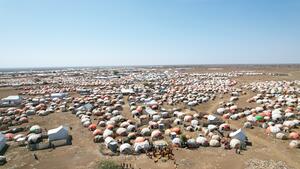
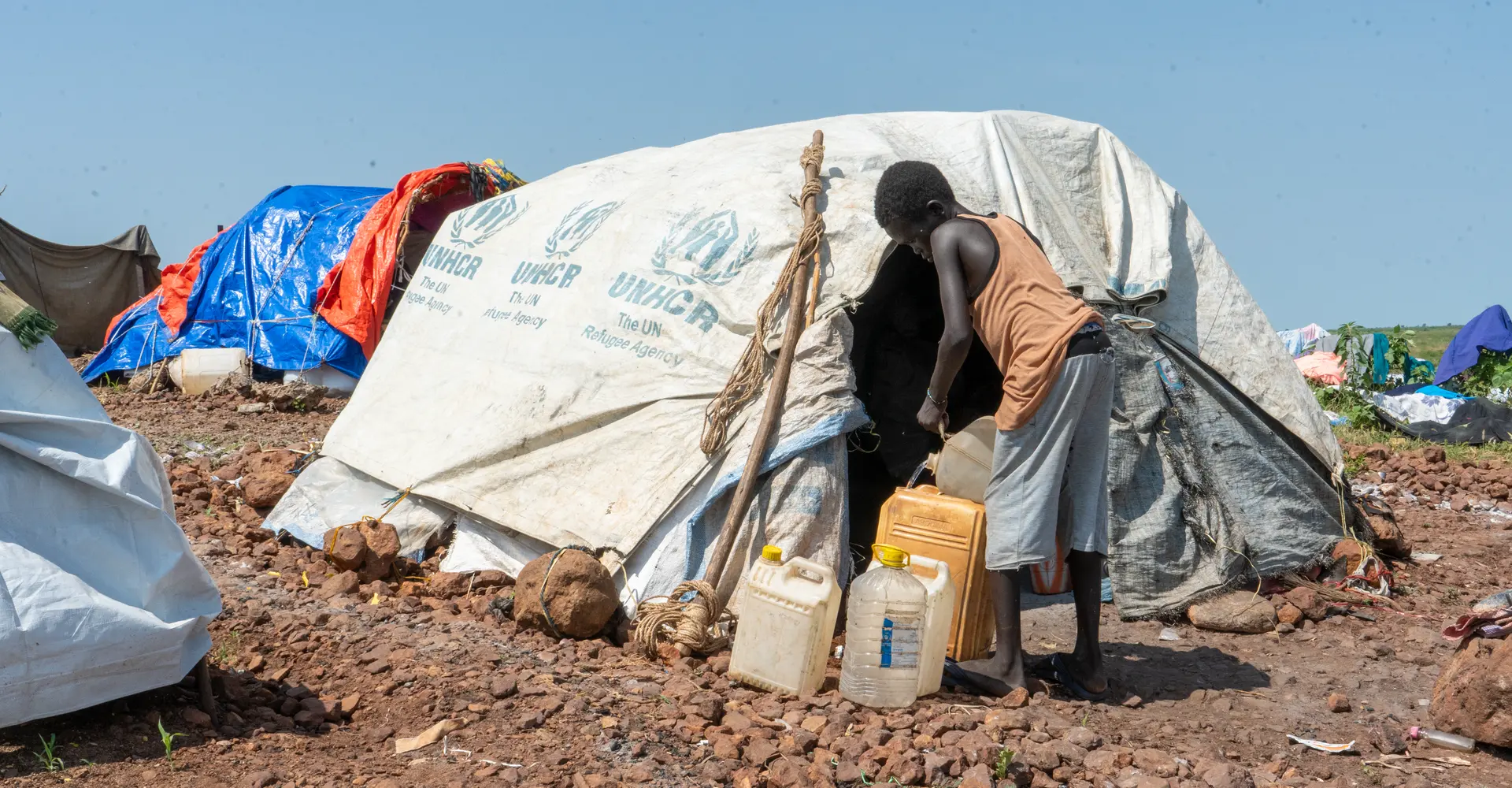
On the outskirts of Damazin, particularly in the Karamas areas, more than 100,000 people – both internally displaced persons and returnees – are now living in settlement sites. Living conditions in these areas fall well below emergency humanitarian standards.
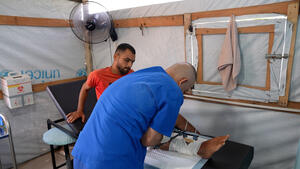
In the first quarter of 2026, more than 750 children were admitted to MSF’s malnutrition programmes at Damazin Teaching Hospital – double the number recorded during the same period in 2022 – highlighting the scale of needs. Beyond hospital-based care, MSF supports mobile clinics in the Karamas around Damazin, which provided over 22,000 consultations between January and March, underscoring communities’ reliance on humanitarian healthcare. Malaria was the most common illness treated.
A health system stretched beyond its limits
Blue Nile region has endured decades of conflict that have steadily eroded essential services, particularly healthcare. While roughly 200 health facilities across the state are reported as “functional,” this figure masks a much harsher reality. Many of these facilities operate from dilapidated or damaged structures, function only intermittently, or provide very limited care. A significant proportion are small health units rather than fully equipped clinics or hospitals. This fragile system is coping with high demand for care, amid widespread malaria, malnutrition, and disease outbreaks such as cholera, while serving vulnerable populations who are unable to afford treatment.
MSF teams often encounter caregivers who have watched their baby’s condition worsen but simply could not afford the cost of transport to reach a health facility. While we provide free healthcare, access remains a major barrier, with few nearby free services. Sometimes medicines are lacking and patients are sent to buy them in pharmacies. By the time they arrive, conditions are often critical or too advanced.
“Recently, I was told about a child who arrived at our facility close to death. He survived but tragically lost his vision. Stories like his are a stark reminder that malnutrition has lasting consequences, including disability and impaired development. No child should have to pay such a price.”
Aline Serin — MSF Country Coordinator in Sudan
Displacement upon displacement
The pressure on health services has been compounded by population movements. Damazin and surrounding areas absorbed large numbers of internally displaced people in 2023 and 2024 from Khartoum, Gezira, Sennar, and conflict-affected areas within Blue Nile. In 2025, the situation further deteriorated when Sudanese refugees were forced to return from South Sudan due to funding cuts by key donors – especially the United States – and the sudden withdrawal of assistance, without a structured return plan.
Since January this year, renewed fighting in the southern and western parts of Blue Nile has triggered further displacement toward Damazin and the camps – the Karamas – located around the town. In areas cut off by conflict or inaccessible to aid actors, healthcare is almost non-existent.
These new waves of displacement in 2026 are unfolding amid a drastic contraction in humanitarian funding. Public announcements of pledges by major donors conceal a less positive reality: commitments are being repackaged rather than expanded.
Humanitarian organisations are strengthening coordination, but the scale of assistance does not match the needs. Access to safe, chlorinated water remains inconsistent, and sanitation infrastructure is clearly inadequate, with too few latrines. Many families lack proper shelter and essential items such as soap and water containers, limiting safe water use even where boreholes exist.
A funding crisis at the worst possible time
As the rainy season approaches, additional risks are emerging. Protection against vector-borne diseases, including malaria and dengue, is critically insufficient, with mosquito-net distribution and vector-control measures falling far short of requirements. Food security is also worsening, as population density rises in areas where displaced families have little or no access to land for cultivation. Already, some health and nutrition partners have announced their withdrawal from Blue Nile, while others are forced to scale down their operations.
“The end of the current funding cycle in late June could not come at a worse time – it coincides with the onset of the rainy season, when access becomes severely restricted and humanitarian needs surge. Without a significant scale-up of the humanitarian response, the consequences will be felt when people are at their most vulnerable.”
Aline Serin — MSF Country Coordinator in Sudan
Ends