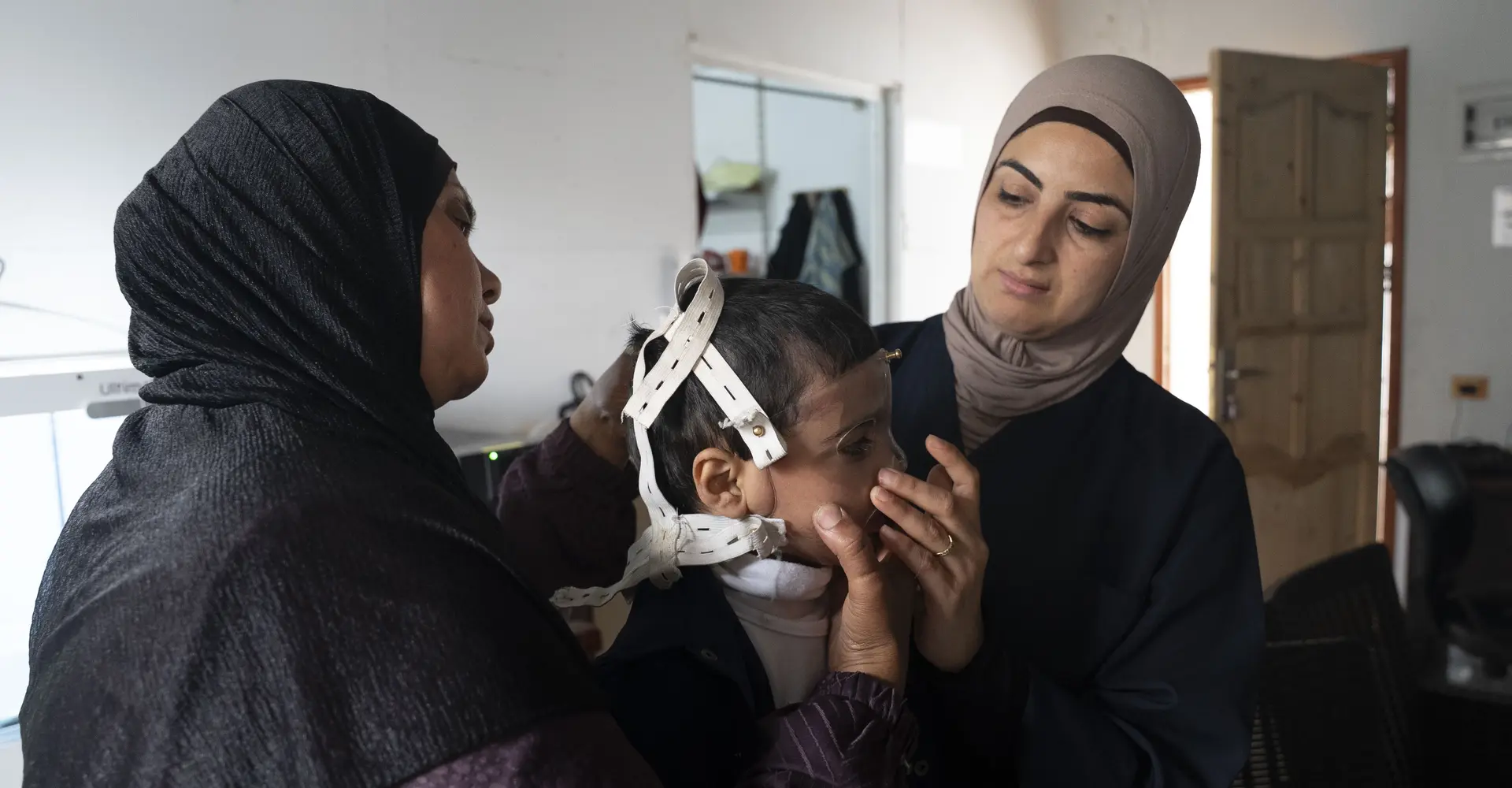
Children are disproportionately affected by the deteriorating living conditions in Gaza
Gaza · Pediatric health
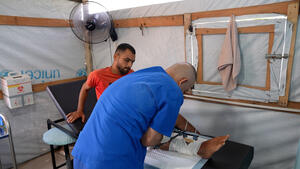
In 2026, MSF teams have treated thousands of children for respiratory infections, gastroenteritis, diarrhea and skin infections.
“My baby had severe diarrhea for days, but I could not find clean water or medicine. We were afraid of dehydration but had no means to prevent it,” says Lobna, a 27-year-old mother. Children like hers, who represent roughly half of the population in Gaza, have been facing a severe deterioration in health and wellbeing since October 2023 — driven by the State of Israel’s genocide, including the destruction of the health system and worsening living, water and sanitation conditions.
And this is seen at MSF clinics and supported hospitals.
Our teams are treating tens of thousands of children with respiratory infections, gastroenteritis, skin infections and diarrhea. Between January and April 2026 alone, MSF teams working across two dozen health facilities in the Gaza Strip carried out 86,000 medical consultations with children under 15 and admitted 4,860 others to hospital — approximately 25% and 34.4% of all patients, respectively.
Infants, the most vulnerable
Newborns and young infants remain among the most vulnerable populations in Gaza. Between September 2025 and March 2026, a total of 112 neonatal deaths — children under one month old — were recorded in the MSF-supported Al Helou and Nasser hospitals, accounting for 6% of all admissions. The leading causes of death were respiratory distress, followed by sepsis.
In the MSF pediatric field hospital in Deir al-Balah, central Gaza, infants aged 1 to 12 months now represent 58% of all pediatric hospital admissions — twice as high as in some other crisis contexts where MSF works globally. Infants are disproportionately affected by diarrheal disease and other infections: their immune systems are still developing, and they cannot fight off infections the way older children or adults can.
“Routine immunization programs have been disrupted many times, leaving children vulnerable. When infants have diarrhea, their body loses more water, blood volume drops, and the heart cannot pump enough blood. Without treatment, a healthy infant can be at serious risk of death in a matter of days.”
Anas Masadeh — MSF Medical Coordinator for Gaza
Protracted displacement, undignified living conditions
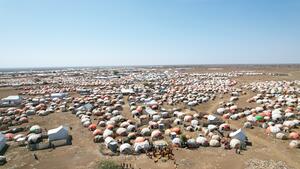
After almost three years of mass forced displacement and the destruction of civilian infrastructure, including water systems, Palestinians continue to live in overcrowded displacement shelters and tents — without proper access to safe water, with no functioning sanitation, and without enough hygiene supplies. Infants are exposed to contaminated water every day.
Overcrowded shelters, mainly makeshift tents with poor ventilation, spread pathogens rapidly — something made worse by out-of-control pest infestations currently thriving in Gaza, including rats. The poor ventilation is directly reflected in the persistently high number of children admitted with acute respiratory tract infections.
MSF has treated increasing cases of rodent bites among children and is seeing a high burden of infectious skin diseases, especially scabies. In the first quarter of 2026, children under 15 represented 60% of the patients treated for skin diseases in three of our clinics.
On why skin infections keep returning among children in overcrowded shelters.
“Even when one child is treated, others get infected again because we cannot wash clothes properly or clean bedding.”
Israeli authorities continue to restrict life-saving medical and humanitarian aid, resulting in unhealthy and undignified living conditions that no child should ever have to endure. This is stripping Gaza’s children of a healthy life, and of any chance of recovery.
Ends
Read more
Pediatric Healthcare in Gaza — MSF Briefing Report
Patient first names are used as given in the source material; surnames are withheld to protect identity.