Work with us
We rely on a strong network of professionals to deliver lifesaving medical aid.




The Reconstructive Surgery Programme (RSP) in Amman was originally established in 2006 to treat victims of the Iraq War. As conflict-related injuries surged across the Middle East, the hospital in Amman expanded to admit patients from Syria, Yemen, Jordan, Palestine, and is recently starting to admit patients from Somalia and Sudan, offering medical expertise unavailable in their home countries.
The RSP has grown into a regional hub for the treatment of patients with complicated, life-changing injuries, offering surgical and rehabilitative care for orthopedic, plastic and maxillofacial trauma, burns and other conflict-related injuries. Its holistic approach includes surgical care, physiotherapy, occupational therapy, mental health support, and psychosocial care. Most patients stay for months at a time to heal their physical and psychological wounds.
Data
From the opening in 2006 until March 2025 RSP has performed:
Patient Stories

Karam, from Nuseirat Camp in central Gaza, nearly died after his family’s house was leveled by an Israeli airstrike. He suffered severe burns to his face and other areas of his body, along with a serious arm injury. He arrived at the RSP with his little sister and father, as the rest of his family didn’t survive the attack. Now, he is receiving comprehensive reconstructive surgery and physiotherapy. Alongside the physical treatment, Karam and his family receive mental health care to process their traumas. Despite everything, Karam is determined to finish school to become a police officer. He wants to fight injustice. Next to his bed, he hung a big paper with a message that reads
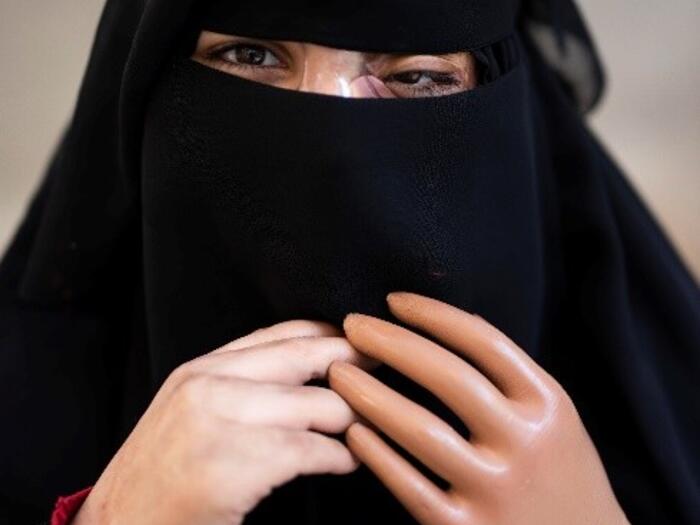
Aisha was six months old when a candle fell onto the mattress where she was sleeping. Her family assumed she was dead until they heard her cries. Since 2015, over 13 power stations have been damaged across Yemen due to war, leading many families to depend on candlelight. Aisha suffered from injuries to her head, face and hands, which resulted in a limb amputation and years of medical treatment. She has been treated over several stages at the RSP in Amman, gaining more independence each time. Now, Aisha is an artist; with the help of her prosthesis she draws, knits, and makes accessories.
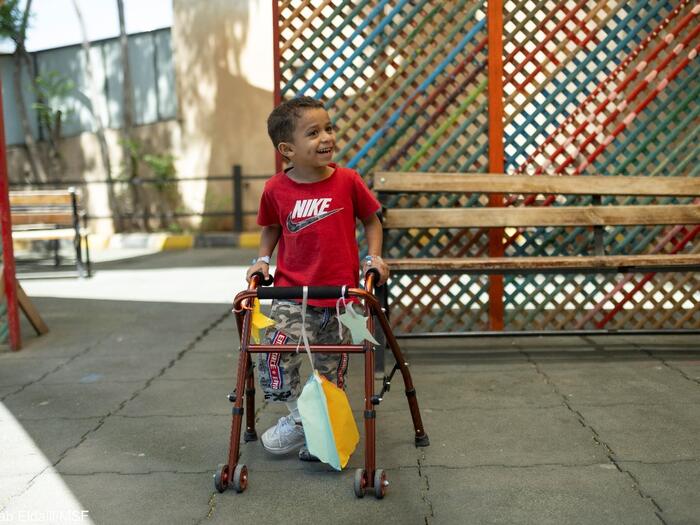
Ahmed was just four years old when he was injured by a landmine explosion while playing near his home in Yemen. The blast left him with multiple fractures in his legs, requiring reconstructive surgery and months of rehabilitation at the Reconstructive Surgery Hospital in Amman. Now, with the help of his self-decorated wheel crutches, he is able to walk again. Despite his injuries, Ahmed is a cheerful and active child. Using his wheel crutches, Ahmed has turned the hospital into a playground, swiftly gliding from one floor to the other and turning hospital corridors into his own race-track.
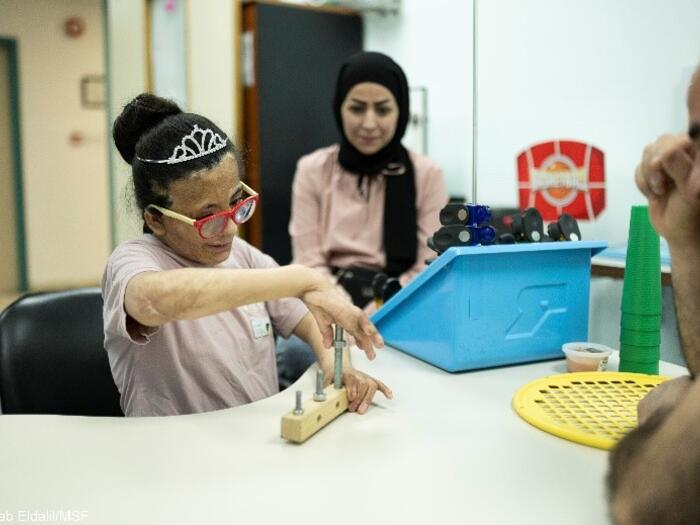
When Shams was two years old, she was injured by an explosion, suffering from injuries to her face, neck, and hands. She has partially lost her eyesight and free hand movement. Since then, Shams has undergone plastic surgery for her hand and received occupational therapy to gain further hand movement and independence. She joined many mental health activities and schooling. She has a long way to recover, yet Shams is enthusiastic as ever: she is an artist and active Tiktoker.
Rehabilitation
Reconstructive surgery
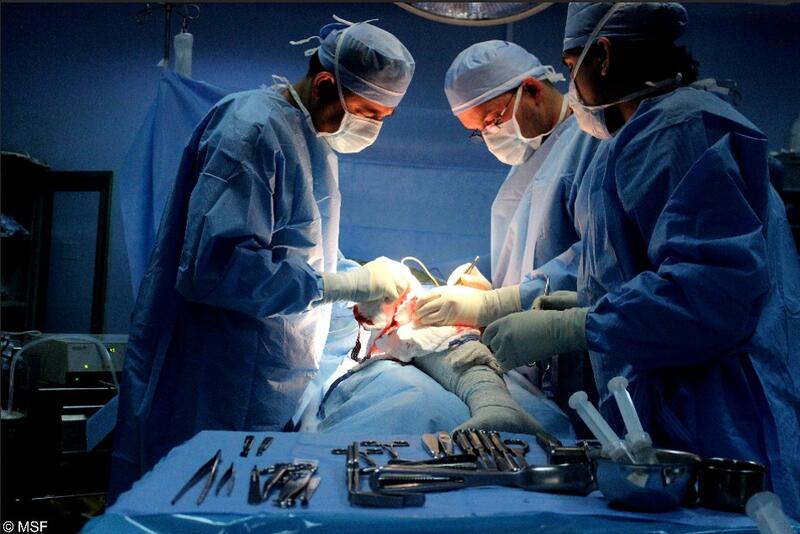
Many patients at the RSP have severe burns or injuries that make it difficult to move, eat, or speak. Others have lost partial or full use of their limbs. Reconstructive surgery aims to restore functionality and mobility to patients who have had their bodies and lives altered due to war-related injuries.
Surgeons at the RSP specialize in treating complex war injuries caused by bomb blasts, shrapnel, bullet wounds, and severe burns. The surgeries include orthopedic, maxillofacial and plastic surgeries. On average, four to five operations are performed every day at the RSP
Physio and occupational therapy
Physiotherapy is a key part of recovery for patients at the RSP, helping them regain movement and strength before and after surgery. Through targeted exercises, patients work to rebuild functionality and strength in the areas affected by their injuries. Some patients take their first steps after months in a wheelchair, while others relearn basic movements for the first time since their injuries. For those who have lost limbs, MSF provides 3D-printed upper-limb prosthetics. Follow-up physiotherapy is essential in these cases to optimize the functionality and to help them regain independence.
Occupational therapy helps patients with disabilities regain the ability to perform everyday tasks like turning on a tap, dressing themselves, or holding a spoon so they can rebuild their independence.

Mental health and psychosocial support
MSF provides mental health and psychosocial care to patients and their caretakers throughout their stay at the RSP. Through individual sessions, group activities and interaction, patients can process the traumas of war and injury.
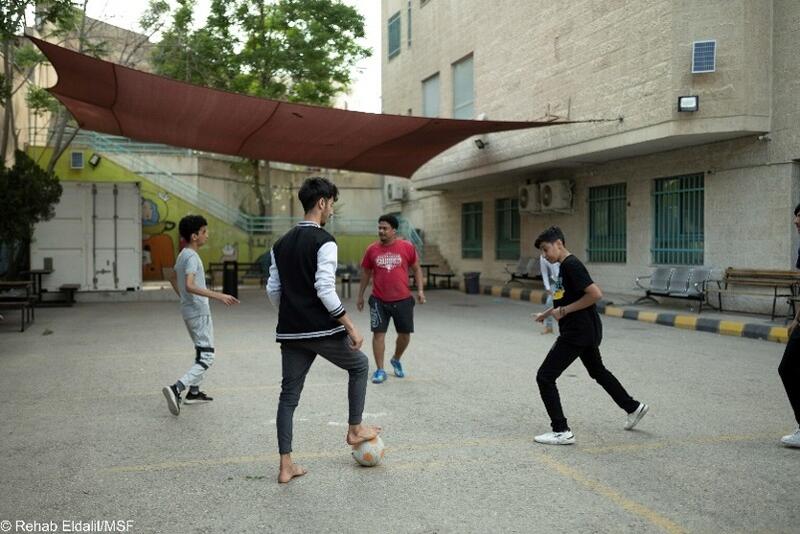
Special activities are designed for children to help them cope with their experiences. Activities include play therapy, music or art classes and schooling, as many children were forced to drop out of school because of their injuries.
The RSP takes an innovative approach to mental health care, including peer counseling and vocational training. Peer counselors—counselors with visible injuries—help patients to rebuild self-confidence, navigate social stigma, and accept their new realities. In vocational training, patients who have lost their jobs due to their injuries learn new skills and earn certifications, giving them the opportunity to work again when they return home.

Innovation
3D printing technology
At the RSP, MSF uses 3D printing technology to design and produce upper-limb prosthetics, Transparent Facial Orthoses (TFO) masks for burn patients and other assistive devices for patients with disabilities. Every device is custom-made to fit the patient and help them regain independence. TFO masks provide pressure therapy for burn patients, supporting skin healing. Assistive devices, such as adapted cutlery or jar openers, help patients perform daily tasks despite their injuries.

Microbiology lab
More than half of the patients at the RSP arrive with chronic infections. More than 60% of these infections are multidrug-resistant. They come from areas where years of war have devastated healthcare systems, leaving hospitals without proper infection control, hygiene measures, or antibiotic regulation. In these contexts, saving lives takes priority, not infection control.
At the RSP, our teams treat some of the most complex infections in war-wounded patients. In response, MSF has developed one of the most specialized microbiology labs in the region, dedicated to tackling multidrug-resistant infections.
Get a deeper insight into the work of MSF by contacting us.