Ethiopia: MSF launches healthcare support in Oromia region
Ethiopia · Press release
Mobile clinics across East and West Wollega, and secondary-level support to Begi Hospital, aim to restore access to essential services for host communities and internally displaced people in hard-to-reach rural areas.
Oromia, Ethiopia · 18 August 2026
Médecins Sans Frontières/Doctors Without Borders (MSF) has officially launched a comprehensive primary and secondary health care support programme in the East Wollega and West Wollega zones of Ethiopia’s Oromia region.
The support aims to restore access to essential services for host communities and internally displaced people in hard-to-reach rural areas, while strengthening the capacity of key health facilities.
In these rural zones, limited movement of patients, staff and supplies, along with shortages of medicines and medical equipment, financial barriers and weak referral systems, have made it harder to deliver timely, quality healthcare. Some facilities have operated at reduced capacity or faced temporary interruptions.
As a result, communities have experienced untreated illness, challenges in sustaining immunization and maternal health services, a high burden of malaria with a greater risk of disease outbreaks, and increased pressure on the health facilities that remain functional.
Despite the scale of need, the presence of humanitarian organisations in these zones remains limited, leaving significant gaps in both primary and secondary care.
“The area has unmet health needs. Communities often lack routine primary care, while referral facilities have had little support to strengthen infection control, staff capacity and essential services.”
“The limited presence of international organisations in this area has created significant and growing gaps in essential health services. These gaps mean that people often delay seeking care or travel long distances when they become ill.”
Dr. Sigrid Lamberg, MSF country director in Ethiopia
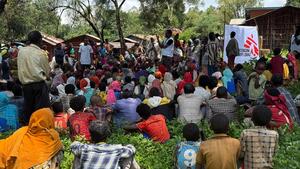
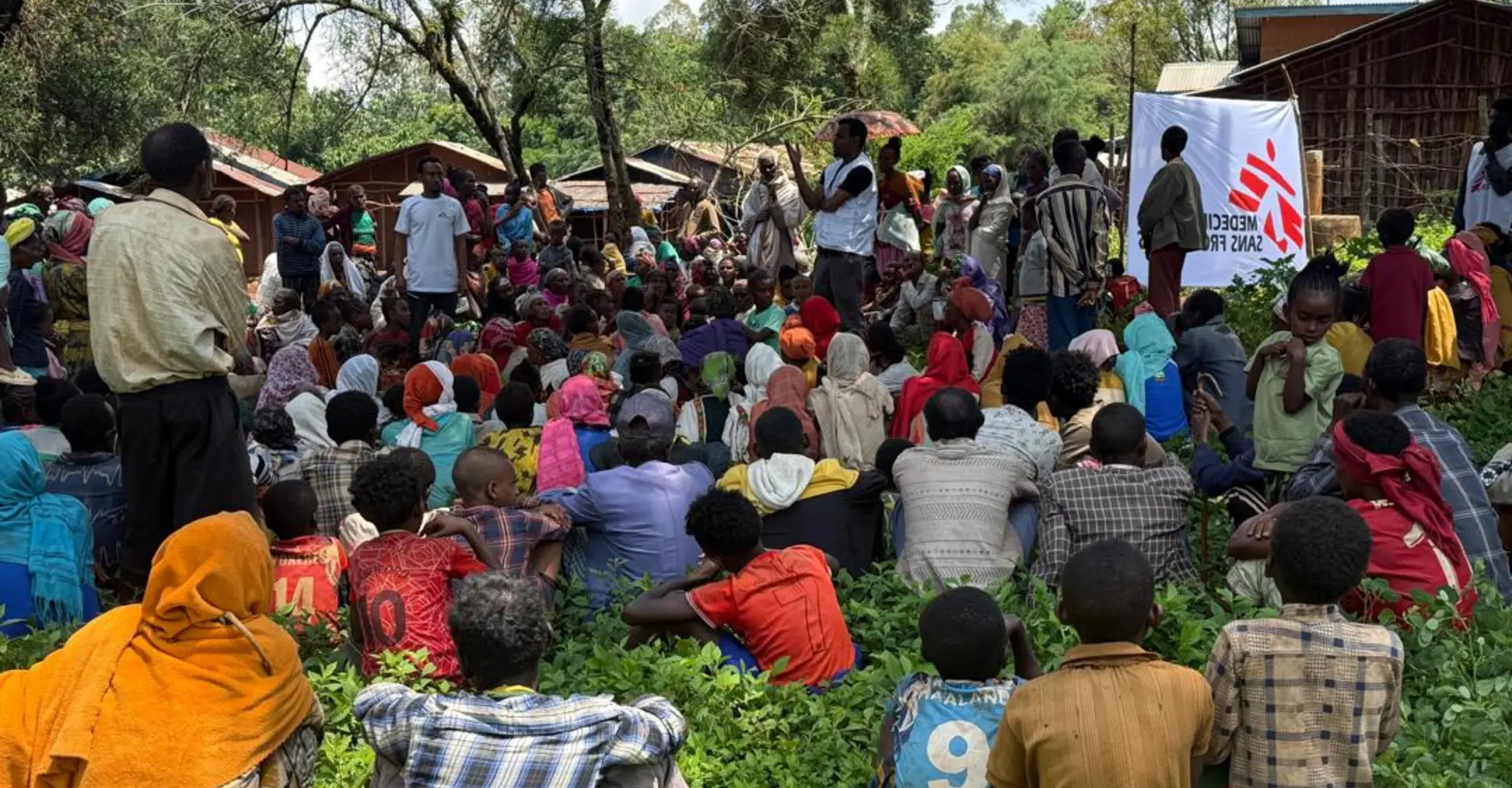
In response, MSF started running mobile clinics that bring primary health care directly to areas with limited access to health care in both East and West Wollega. These mobile teams provide outpatient consultations, routine nutrition assessments, health promotion activities and essential medicines with a strong aim to help reduce preventable deaths.
In West Wollega, MSF is providing targeted secondary-level support to Begi Hospital, which serves a larger catchment of approximately 1 million people. Our team focuses on strengthening Infection Prevention and Control (IPC) systems and building the capacity of health workers. This support is being rolled out in phases, beginning with the maternity department, with the aim of gradually reinforcing broader hospital functions.
The first month of operations
- 4,243patients provided with outpatient care and essential services by the mobile clinics
- 137deliveries handled by our team in Begi Hospital’s maternity department, in collaboration with hospital staff
Figures for July 2026.
By combining outreach at the primary level with a secondary level of support to a key referral facility, the activities seek to create a more continuous and resilient pathway of care. Throughout the implementation of the programme, MSF has been working in close partnership with the Ministry of Health (MoH) local health authorities and local communities.
“Communities in East and West Wollega have faced prolonged disruptions to basic health services. Our goal is to reinforce the capacity of selected facilities and outreach services so that quality care can be delivered closer to the communities who need it most. It’s a collaborative approach to ensure that our support strengthens existing health structures rather than creating parallel systems.”
Dr. Sigrid Lamberg, MSF country director in Ethiopia
All activity figures cover July 2026, the first month of operations. MSF’s programme in the East Wollega and West Wollega zones of Oromia region combines mobile clinics delivering primary health care with secondary-level support to Begi Hospital, which serves a catchment of approximately 1 million people, and is implemented in close partnership with Ministry of Health local health authorities and local communities.